Judges Uphold Florida Senate Redistricting Map in Tampa Bay

by Cory White
0 comments 2 minutes read

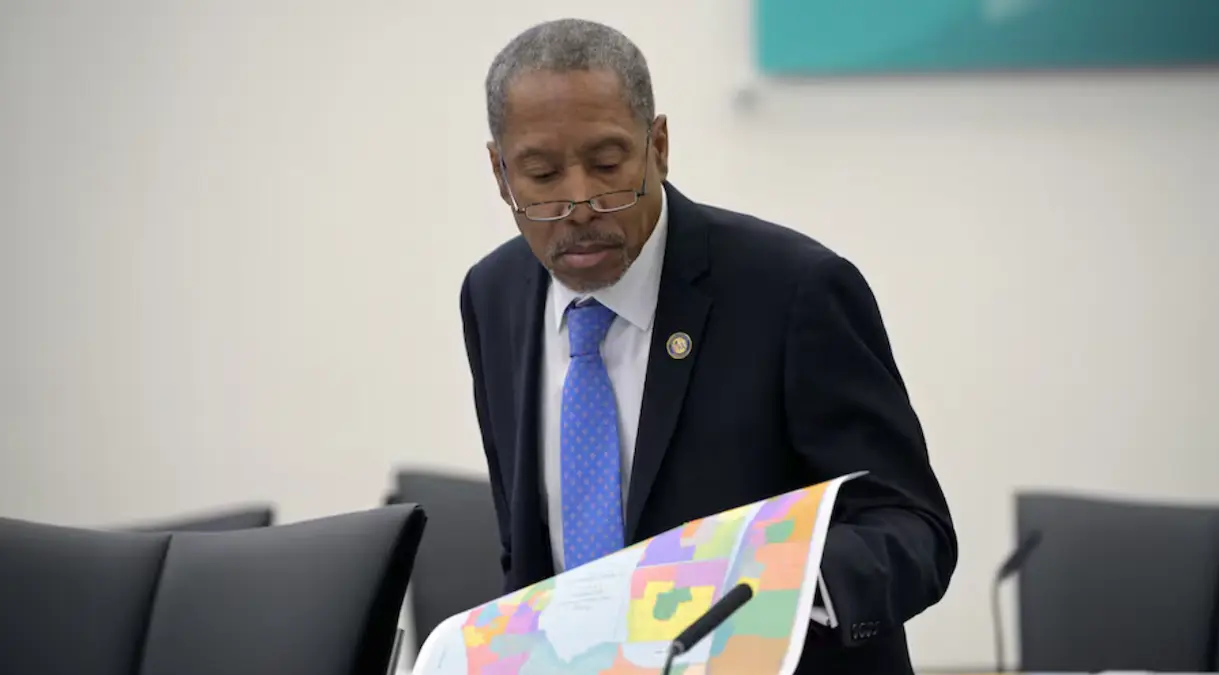
A panel of federal judges has upheld Florida’s 2022 Senate redistricting plan, rejecting claims that a Tampa Bay district was racially gerrymandered. The case centered on Senate District 16, which links parts of Pinellas and Hillsborough counties across the bay.

Court Ruling on Senate District 16

The plaintiffs, three Black residents from Pinellas and Hillsborough counties, argued that the district diluted minority voting power and violated constitutional equal-protection rights. They also claimed it diminished the influence of Black voters in Senate District 18, neighboring District 16.

However, the three-judge panel ruled that the district was “not a racial gerrymander,” stating the Legislature had not prioritized race over traditional race-neutral redistricting criteria such as compactness, contiguity, and existing boundaries.

Judges’ Findings and Legal Reasoning

The opinion, written by Judge Andrew Brasher of the 11th U.S. Circuit Court of Appeals and joined by Judges Thomas Barber and Charlene Edwards Honeywell, followed a four-day bench trial in June. The panel concluded that the Florida Senate never set racial quotas and only reviewed racial considerations afterward to comply with the Fair Districts Amendment.

This amendment, passed in 2010, requires that redistricting not diminish minority voters’ ability to elect candidates of their choice. The court determined that Senate District 16’s design complied with these constitutional standards.

Broader Legal Context in Florida

This ruling is part of a broader series of redistricting battles in Florida. Just last month, the Florida Supreme Court upheld a congressional redistricting map advanced by Gov. Ron DeSantis. Meanwhile, a separate federal lawsuit challenging state House districts is still pending in Miami.

The Senate case highlights the balance between federal equal-protection rights and Florida’s Fair Districts Amendment, particularly its “non-diminishment” clause. The plaintiffs argued that alternative maps could have achieved the same protections without crossing Tampa Bay, but the judges ultimately disagreed.

Ongoing Debate on Redistricting in Tampa Bay

Attorneys for Senate President Ben Albriton defended the Legislature’s approach, emphasizing compactness, geographical boundaries, and political continuity. They maintained that racial considerations were secondary, only applied after race-neutral criteria had already shaped the district.

The court’s 78-page ruling reinforced this perspective, affirming that race-neutral criteria guided the Legislature’s process. The decision sets a precedent in how Florida redistricting cases may be argued in the future.

⚖️ With redistricting lawsuits still unfolding across Florida, the debate over fairness, representation, and voter influence is far from over. Will future cases reshape Tampa Bay’s political landscape?

Are you on social media? Check out our profile for more local news! Follow @TampaLatest for up-to-the-minute updates in Tampa, Florida.

You may also like

Leave a Comment