The “Women’s Final Four Championship in Tampa” didn’t just crown a national champion—it crowned an entire city. As the nation’s eyes turned to Amalie Arena on April 6, 2025, they saw more than buzzer-beaters and breakaways—they saw a city transformed by hope, history, and hustle. This marked Tampa’s record-breaking fourth time hosting the championship, but this year was different. This year, the echoes of the game spilled far beyond the hardwood.
A Court of Dreams for Tampa Bay
There was a time when hosting the Women’s Final Four was just a dream for Tampa—now it’s a recurring headline. Thanks to the relentless pursuit by the Tampa Bay Sports Commission, the championship returned for the fourth time, making history while forging deep connections with the community. Rob Higgins, executive director of the Commission, reflected on the journey: “Back then, we got awarded 2008… now, six years later to be able to host our record fourth NCAA Women’s Final Four is really special.”
This legacy wasn’t built in a vacuum. It was sculpted through partnerships, community grit, and a fierce desire to elevate Tampa onto the national sports stage.
More Than a Game: A City Reimagined
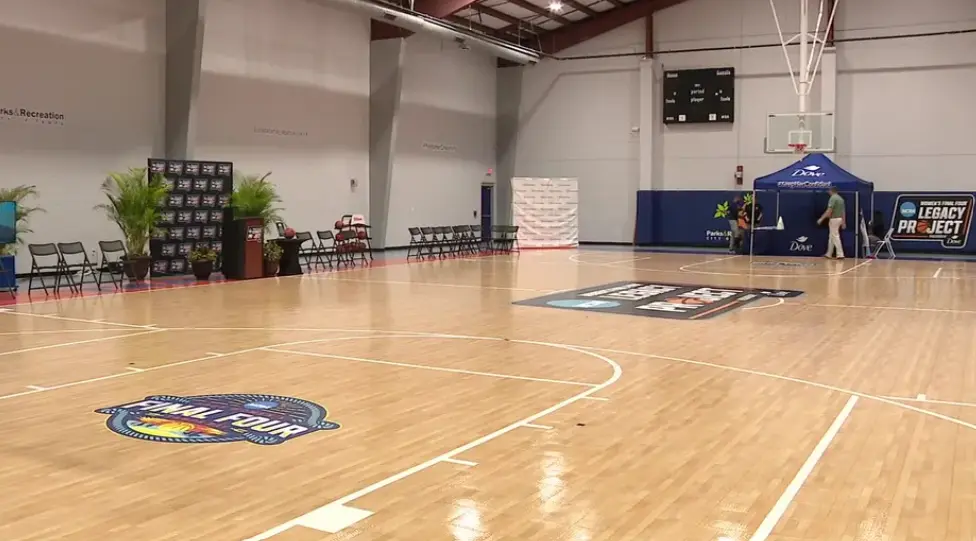
From the court dedication at the Young People Center to the city-wide reading challenge that sparked over six million minutes of literacy, the tournament brought a tide of transformation to Tampa. Bemetra Simmons, chair of the local organizing committee, captured the spirit perfectly: “This is about impact on community… from the court dedication to economic development.”
These moments were more than symbolic—they were structural. Local courts were revitalized, programs expanded, and thousands of children were inspired by the athletes they watched with wide eyes and louder dreams.
Tampa: From Basketball Host to Destination Experience
Claire Lessinger, vice president of events and tournament organizer, emphasized how Tampa has evolved since its last hosting. “We didn’t have Armature Works, Sparkman Wharf, or Water Street like we do now,” she said. These developments, paired with Florida’s weather and an energetic downtown, turned the championship into a festival of experiences—even for those without game tickets.
The event stretched into the parks and the streets, blending sport with local culture. It wasn’t just about watching basketball—it was about living it.
Economic Slam Dunk
The championship also delivered a powerful economic boost, generating enormous gains for the city. In 2019, the tournament drew around 16,000 hotel guests per night. This year, the city surpassed 23,000, revealing the explosive growth of the event and its pull as a tourist magnet. Tampa’s hospitality and infrastructure proved they could handle the crowd—and then some.
This boom isn’t temporary. It’s a foundation for more: more events, more visibility, more opportunities for small businesses and local vendors who benefit from the influx of fans and media.
Looking Ahead: The Madness Continues
The Women’s Final Four was just the beginning. Tampa will host the first and second rounds of the NCAA Men’s March Madness next year, proving the city is now a permanent fixture on college basketball’s map. The blend of world-class facilities, passionate organizing committees, and warm hospitality creates a blueprint other cities will envy.
Tampa has shown that sports can do more than fill seats—they can build futures.
So when the lights dimmed and the final whistle blew, it wasn’t just the end of a game—it was the beginning of a legacy. Tampa didn’t just host a championship. It became one.
Are you on social media? Check out our profile for more local news! Follow @TampaLatest for up-to-the-minute updates in Tampa, Florida.

